
How to Get Your Work into Galleries
8 min read
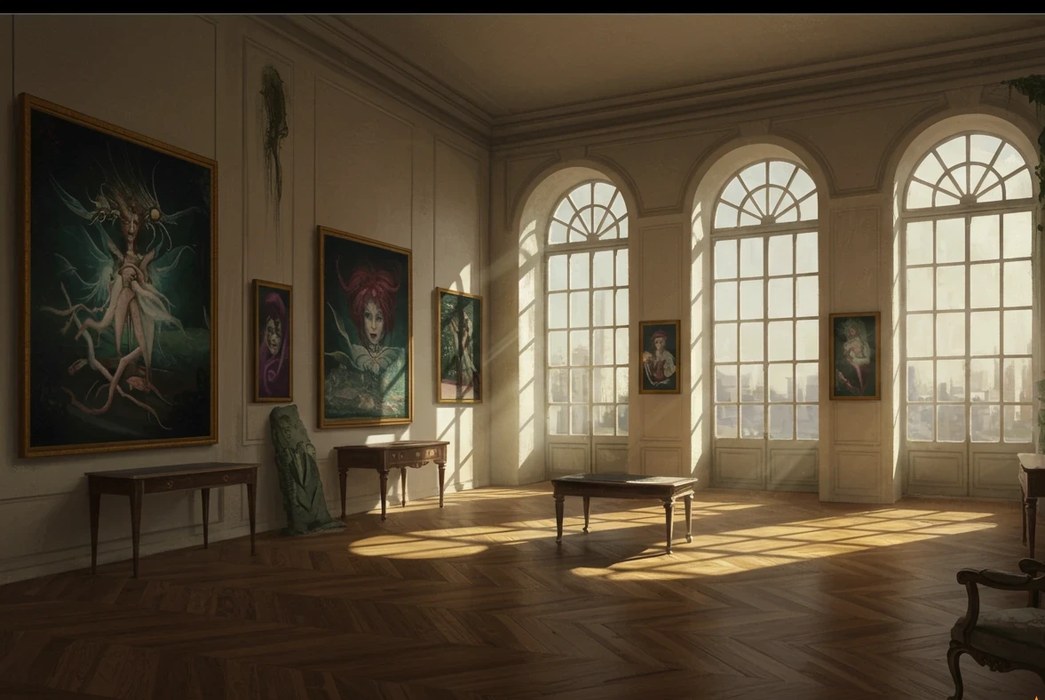
How to Get Your Work into Galleries: A Step-by-Step Artist Submission Guide
Most artists approach gallery submissions the same way: fire off a PDF to a dozen galleries, wait, hear nothing, feel deflated. Repeat.
The problem isn't the work. It's the strategy — or the lack of one.
Getting your work into galleries is less about having the perfect submission package (though that matters) and more about understanding how galleries actually make decisions, building the right relationships before you ever hit send, and showing up as someone worth saying yes to.
This guide walks through the full arc — from identifying the right galleries, to making first contact, to surviving the waiting game, to what happens after a yes.
Step 1: Understand How Galleries Actually Make Decisions
Before you send a single email, it helps to understand what's going on inside the gallery.
Gallery directors are curators and business operators at the same time. They're asking two questions when they look at your work:
- Does this fit our program? Does your aesthetic, your price point, your career stage, and your medium match the kinds of artists we show and the collectors who trust us?
- Is this artist someone we can work with long-term? Gallery representation is a business relationship. Directors want artists who are professional, consistent, productive, and not a nightmare to deal with.
Your submission has to answer both questions simultaneously. A technically brilliant portfolio sent to a gallery that shows a completely different aesthetic is a polite waste of everyone's time.
What galleries are NOT looking for:
- The best artist they've ever seen (subjective, and you're probably not the first)
- Someone who needs them to "discover" them
- An artist with no existing presence or exhibition history
What they ARE looking for:
- A cohesive, developed body of work with a clear point of view
- Evidence of professional activity: shows, residencies, press, collector relationships
- An artist at a stage where a gallery relationship adds leverage to an already-moving career
Step 2: Know the Different Types of Galleries — and Which to Target
Not all galleries are the same, and treating them as interchangeable is the fastest way to waste time.
| Gallery Type | What It Is | Right For |
|---|---|---|
| Commercial gallery | For-profit; takes commission (40–60%); handles sales and promotion | Mid-career and established artists; requires exhibition history |
| Artist-run / cooperative | Artists pool resources; share costs and responsibilities | Emerging artists building their CV; community-oriented practices |
| Nonprofit / alternative space | Mission-driven; often grant-funded; experimental programming | Conceptual or socially engaged work; artists interested in institutional visibility |
| Vanity gallery | You pay for wall space | Rarely worth it — these don't build careers, they drain them |
| Online gallery / platform | Digital-first; often lower commission, broader reach | Artists who sell work under $5,000 and have a strong online presence |
Start by identifying which tier you're actually at. Applying to a top commercial gallery with three group shows on your CV is a long shot. Applying to a strong cooperative space with the same CV is a realistic move. Build the foundation, then scale up.
Step 3: Build Your Target List (Quality Over Quantity)
Pick 8–12 galleries maximum. Seriously — 8 well-researched, well-matched submissions beat 40 spray-and-pray emails every time.
For each gallery on your list:
Visit in person, if at all possible. See the space, the scale, the lighting, the crowd at an opening. Does your work live well here? Do the collectors who buy here look like people who'd connect with your work?
Read their artist list carefully. Who do they show? What's the career stage, the price range, the aesthetic range? You're not looking for artists whose work looks like yours — you're looking for artists whose career trajectory and collector base resembles where you're headed.
Check their submission policy. This is non-negotiable. Some galleries explicitly don't accept unsolicited submissions. Ignoring that policy doesn't show initiative — it shows you can't read.
Find the right contact. At a small gallery, this is often the director. At a larger operation, there may be a specific person who handles artist submissions. Get the right name and address your outreach to them personally.
Step 4: Build Visibility Before You Submit
This is the part most artists skip, and it's often what separates the artists who get in from the ones who don't.
Cold submissions work. Warm ones work better.
Ways to get on a gallery's radar before you submit:
- Attend their openings. Introduce yourself. Be a human, not a pitch.
- Buy a small piece if you can — collectors and artists are treated differently than anonymous email-senders.
- Get covered in a publication or podcast the gallery follows.
- Show work in a group exhibition or art fair the gallery is involved with.
- Get introduced by an artist they already represent.
None of this is manipulative. It's how professional relationships work. A gallery director who has met you twice, seen your work, and watched you engage seriously with their program will read your submission with genuine interest instead of clicking delete.
This can take months. That's fine. A gallery relationship lasts years. The runway is worth it.
Step 5: Prepare Your Submission Package
When you're ready to reach out, your materials need to be tight.
The core submission package includes:
- Cover letter (one page): Who you are, the specific body of work you're submitting, why this gallery specifically, and what you're looking for (representation, a show, a studio visit). Be specific — reference a recent show you saw, an artist they represent whose work resonates with yours.
- Portfolio PDF (10–15 images): Cohesive, recent, best work. Every image has: title, medium, dimensions, year. Clean layout, no clutter, no watermarks. Let the work breathe.
- Artist CV: Education, solo and group exhibitions, residencies, awards, collections, press. Reverse chronological. Current to this year.
- Artist statement (150–250 words): What you make, why you make it, what you want viewers to experience. First person, plain language, no jargon.
- Contact info + website: Your Fine Art Form portfolio URL works perfectly here — it's always current, it's clean, and directors can see full artwork details including pricing.
See guide #23 (How to Apply to Galleries: Building Your Submission Package) for a deep dive on assembling and formatting each of these elements.
One powerful addition: a private viewing room. Fine Art Form viewing rooms let you create a password-protected digital gallery of your best 10–15 works — images, dimensions, pricing, all in one polished URL. Including a viewing room link alongside your PDF gives the director a richer experience than a static document, and it signals that you're organized and professional about how you present your work.
Step 6: Send It — and Track It
Send your package by email unless the gallery's website specifies otherwise. Keep the email itself short: one short paragraph, the attachment, and the viewing room link if you're using one. Galleries are busy. Everything they need is in the materials.
Subject line: Artist Submission — [Your Name] (clear and searchable; nothing cute)
Use Fine Art Form's Contacts module to track every gallery you've reached out to. Log:
- Gallery name and director
- Date of submission
- Which body of work you sent
- Submission version (if you iterate)
- Response and follow-up dates
- Outcome
This is your pipeline. Manage it like one.
Follow-up: Once, after 4–6 weeks. A single short email: "I wanted to follow up on the submission I sent on [date]. Happy to answer any questions or share additional work if helpful." Then let it go. If they're interested, they'll respond. Chasing after that crosses into unprofessional territory.
Step 7: Prepare for the Studio Visit
If a gallery is genuinely interested, the next step is usually a studio visit or in-person meeting. This is not a formality — it's the real audition.
What they're evaluating:
- The full scope of your work (not just what's in the PDF)
- How you talk about your practice
- Whether you're organized and professional in how you manage your work
- What's in progress — where are you going?
Before a studio visit:
- Have your Fine Art Form inventory organized and easy to pull up. Being able to show a director the full details on any piece — dimensions, pricing history, exhibition record — in seconds is impressive.
- Know your price points and be consistent. Directors will ask, and inconsistent pricing is a red flag.
- Have 2–3 sentences ready on each body of work, explaining the concept and how it connects to what came before and what's coming next.
- Clean the studio. Seriously.
Step 8: After a Yes (and After a No)
If they say yes:
Congratulations — now the real work begins. Before you sign anything, read the representation or consignment agreement carefully. Key things to understand:
- Commission percentage (typical range: 40–60%)
- Exclusivity terms (geography, duration)
- Pricing authority (can they discount without asking you?)
- Responsibilities for shipping, framing, insurance
- Notice period to end the relationship
Use guide #23's section on consignment tracking to stay on top of what's placed where — and track it in Fine Art Form so you always know which works are at which gallery.
If they say no:
Ask yourself: was the fit actually right? If not, move on without dwelling. If the fit seemed right and you're surprised, it's worth a polite reply asking if they'd be willing to share what wasn't working for them. A few directors will give useful feedback. Most won't. Either way, don't take it personally — and don't burn the bridge. Gallery relationships cycle. A director who passes today may be the right fit in two years when your work has developed.
Keep your list moving.
The Long Game
Gallery representation is not the only path to a sustainable practice. Selling directly through your Fine Art Form portfolio, building collector relationships over time, and showing in group exhibitions are all legitimate ways to build a career. Many artists find that a strong direct-sales practice actually improves their negotiating position with galleries — because they're not desperate.
Build the work. Build the record. Stay organized. The right gallery relationship will come, and you'll be ready for it.
Gallery Submission Checklist
Before you submit:
- [ ] Visited the gallery (in person or extensively online)
- [ ] Confirmed they accept submissions
- [ ] Identified the right contact person
- [ ] Built some prior visibility or connection if possible
Submission package:
- [ ] Cover letter — specific to this gallery, one page
- [ ] Portfolio PDF — 10–15 cohesive recent works, complete metadata
- [ ] CV — current to this year, reverse chronological
- [ ] Artist statement — 150–250 words, plain language
- [ ] Fine Art Form portfolio URL included
- [ ] Viewing room link prepared (optional but recommended)
- [ ] Contact record created in Fine Art Form with submission date
- [ ] Follow-up reminder set (4–6 weeks out)
Before a studio visit:
- [ ] Inventory current in Fine Art Form
- [ ] Price points consistent and documented
- [ ] Able to speak clearly about each body of work
- [ ] Studio organized and accessible
Related guides: How to Apply to Galleries: Building Your Submission Package · How to Create a Press Kit That Gets Your Art Noticed · Pricing for Galleries vs. Direct Sales · Setting Up Viewing Rooms for Collectors